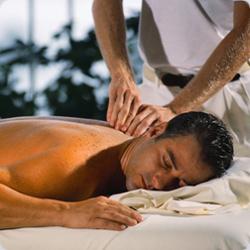
Massage: Which type is right for you?

Which type is right for you

Massage is a "hands-on" therapy in which muscles and other soft tissues of the body are manipulated to improve health and well-being, physical as well as psychological. In French, the word massage means “friction of kneading." In Arabic massa means "to touch, feel or handle." Massage has typically been used in alternative medicine, but in recent years has been integrated into conventional medicine in many areas.

History of massage.

Ancient civilizations in India, Egypt, Japan, Rome, China, and Mesopotamia have all left writings about massage. Moreover, there is a biblical reference (Esther, 2:9-12) from c.493 BC that tells of daily massage with olive oil and myrrh as a part of the beauty regimen of the wives of Xerxes. In an ancient Chinese book called Huangdi Neijing, it was written that the Yellow Emperor recommended “massage of skin and flesh.” In 460 BC, Hippocrates wrote that "The physician must be experienced in many things, but assuredly in rubbing."

In the 1850s, a modern form of massage known as Swedish massage was introduced to the U.S. and by the end of the 19th century, a large number of American doctors were practicing this manual procedure. However, the increase in prescription medications and technology in the early 20th century eclipsed massage as a treatment modality with many physicians. Mind-body therapies and alternative medicine came back in vogue during the 1970s, and massage therapy once again became recognized for its value. Today, there are more than eighty million massage therapy appointments made each year and to meet this demand, there are more than 125,000 massage therapists practicing in the U.S.

In the early 20th century, the rise of technology and prescription drugs began to overshadow massage therapy. For the next several decades, massage remained dormant, with only a few therapists continuing to practice the "ancient" technique. During the 1970s, however, both the general public and the medical profession began to take notice of alternative medicine and mind-body therapies, including massage therapy. Today, there are more than 125,000 massage therapists practicing in the United States. Their numbers are growing rapidly to keep up with the more than 80 million massage therapy appointments made every year.

Types of massage.
Which type is right for you

There are many varieties of massage and we will discuss several below. They range from soft stroking and manipulation of the muscles and other soft tissues to deep tissue manual methods. For centuries, massage has been used in healing therapies in many cultures. Individuals may receive a massage for a variety of reasons including stress relief, anxiety, depression, pain relief, headaches, physical therapy for an injury or medical condition or as part of a general wellness program. Massage has been shown to affect the body as a whole, and in particular the activity of the musculoskeletal, circulatory, lymphatic, and nervous systems. Many people state that they receive regular massage because it promotes feelings of general well-being.


  • Swedish massage: Swedish massage uses five basic strokes: light touch, kneading, rhythmic tapping, friction (compression), and vibration. Swedish massage has been shown to be helpful in individuals with poor circulation as well as in reducing pain and joint stiffness.


  • Aromatherapy massage: For centuries, herbalists and healers have used the essential oils extracted from plants for medications and healing. Some oils produce relaxing or energizing effects and so became natural to enhance the use of massage. Essential oils are believed to have a powerful effect on mood by stimulating two structures deep in the brain known to store emotions and memory.


  • Reflexology: Reflexology is a branch of massage that focuses solely on the hands and feet. Reflexology is based on the principal that there are reflex points in the hands and feet that relate to every organ, gland, and system of the body. Specialized thumb and finger techniques are applied to the hands and feet to send signals to the brain and balance the nervous system. Moreover, endorphins are released throughout the entire body, reducing stress and returning the body to equilibrium. Reflexology has been known to provide relief from ailments such as tension headaches, arthritis, digestive issues and back pain.


  • Deep tissue massage: This type of massage is used to target knots and release chronic muscle tension. It is similar to Swedish massage, but is focused on the deepest layers of muscle tissue, fascia and tendons. Deep tissue massage helps reduce inflammation and helps to eliminate scar tissue. The massage therapist uses strokes across the grain of the muscles, not with the grain as in Swedish massage. The more intense pressure of the technique is sometimes uncomfortable and can cause soreness for a day or so before the individual feels the desired pain relief and relaxation.


  • Sports massage: In the last couple of decades, sports massage has become a valuable resource for professional athletes as well as weekend joggers. The specifics of the massage are geared to the athlete’s sport of choice and are often focused on a precise problematic area like a shoulder or knee. Sports massage can be used before training to help warm up, or after to reduce recovery time. It has been shown that specifically designed massage boosts flexibility, relieves fatigue, helps endurance and lessens injuries.


  • Acupressure: Acupressure is an ancient healing art from a Traditional Chinese Medicine technique derived from acupuncture. In acupressure, physical pressure is applied to acupuncture points by the hand, elbow, or with various devices which stimulate the body's natural self-curative abilities. When these trigger points are pressed, they release muscular tension, promote circulation of blood, relieves pain, balances the body and help maintain good health. By relieving stress, acupressure therapy strengthens resistance to disease as well. Acupuncture and acupressure use the same pressure points and meridians, but acupuncture employs needles, while acupressure uses gentle to firm pressure and integrates bodywork therapies, therapeutic touch, somatic work, healing imagery, energy psychology, and massage therapy techniques. Shiatsu can be quite vigorous with firm pressure applied to each point for three to five seconds. Jin Shin style gently holds at least two points at once for a minute or more.

     How do I know which type of massage I need?

    Do you know what benefits you hope to gain from a massage? Perhaps you just want to relax. If so, a Swedish massage is a good place to start. You will still need to talk to your massage therapist about whether to apply firm pressure or more gentle strokes. If you’re looking for something related to an injury or medical condition, a therapeutic medical massage or sports massage would be the way to go. Maybe you are stressed, nervous or depressed - an aromatherapy massage would be in order as it affects mood as well as relieving tension in the body. Perhaps you don’t know exactly how you feel and so it’s hard to choose, or maybe you feel like all of the above. What are you to do then?

    In conclusion.

    Massage, in general, is very beneficial in many ways. It can relieve stress, pain, anxiety, and depression. It can balance the systems of the body to promote and maintain good health. It can help relieve headaches, back pain and arthritis. It tones up the nervous system, influences respiration and quickens the elimination of poisons and waste material from the body through the various eliminative organs such as the lungs, skin, kidneys and bowels. It also improves blood circulation and metabolic processes. A massage eases stiffness, sore muscles and numbness and reduces inflammation. Massage for professional and non-professional athletes helps prevent or mend injuries. The list goes on and on, but the goal of massage therapy is to help the body heal itself and to increase health and well-being.


Health Snapshot

Health Snapshot - Your Personal Health Monitor. This program is designed to help you spot changes in your health instantly, before they turn into illnesses or diseases (including heart attack, and even cancer). Designed by a group of scientists from the United States, Europe, Russia, Japan, and other countries, the Health Snapshot module helps the user find out the state of their health so they can take actions to make it better or to maintain their health level.

Read more

In a nation that is nothing less than obsessed with health, from cost to the impact it has on our lives, we would do well to consider anything that might help us come to grips with both issues. In "Home Made Health" we find just what the doctor ordered.

An Institute of Medicine report urges vigorous efforts to reduce high blood pressure, a leading cause of heart attack and stroke.

Meditation can increase blood flow in the brain and improve memory, according to researchers who tested a specific kind of meditation and found the improvement after just eight weeks.

Reuters - The White House ratcheted up its push for a quick healthcare vote in the U.S. Congress on Thursday, criticizing rising health insurance premiums at a meeting with top industry executives and wooing key lawmakers.

HealthDay - THURSDAY, March 4 (HealthDay News) -- Long-term exposure to the air
pollution particles caused by traffic has been linked to an increase in
blood pressure, U.S. researchers say.

A planned bipartisan health care summit is putting health reform proposals back in the spotlight.

Although this book was written in 1953, Amazon readers still call it the best book on yoga ever written. It's still as useful as the day I bought the first paperback edition in 1965 when only a young boy.

You're not sick, you're thirsty! is this book's subtitle, and it sums up the book's message. We're not drinking enough water for optimum health.

Could it be that the current conventional wisdom that "everybody knows" is wrong? What if sunlight in normal amounts is not only NOT dangerous, but healthy?

Debi Waldeck's "Saving 'Generation Next'" is the first volume in her fascinating and important series "In the Beginning...There was Wellness." In this volume, she discusses the health problems she and her children have faced, and the exploration into health and wellness she undertook to resolve their health issues. Her fascinating journey provides valuable information to bring bodies back to optimum levels.

Arthritis is quite a debilitating problem and it stops people from doing what they love to do most. Let's face it humans have a lot of dexterity, and when they cannot use their hands and feet, or have pain during normal movement it's hard for them to enjoy life. It's important to understand what arthritis is and how it affects us, or our loved ones. Everyone should learn more about this, as one in six people in our country are affected.

It seems as if so many folks want to be the President of a large company or the CEO or a big time executive. The pay is extremely good and the benefits are so incredible that these executives of these fortune 500 companies often live well above the other people in our society. Still, what most people don't understand is that when you run a big company there is a lot of stress, and it never really stops. It's a lot easier just to punch a time clock go home and forget about it all. You really can't do that if you're the CEO of a large company.

"Slim forever That" by Dr. Robert Harris, 1993. - Dr. Harris is a nutrition expert as well as a Dr. He explains how to calculate your daily food allowance so that your body gets exactly what it needs, but never too much. In the book he puts forth 10 steps to healthy living. He makes a big point in the book about carbohydrate intake, and how to monitor that as well. Also, how much you need for different types of activities for instance if you are going to be running 5 miles a day and are the active type.

Running a marathon is no easy task, and being able to say that you did it is something pretty cool. The reality is that just about any human that trains can run a marathon. No, it's not easy, and it takes a lot out of you, but you can do it, I know because I did, many times. Of course, I had a little bit of help, I had some good coaches, and I had some very good reference material.

"Mind Your Own Wellness" is packed with keys to discovering a healthier life-style. Tired of nicknames like "Fatty Boy" or simply "Fatty" Alex Ong shares the story of how he dramatically improved his health, increased his energy level, and attained greater confidence.

Related categories

Stress Monitor

Provides all means for continous stress monitoring and alerts on instant stress changes and an ability to treat the stress before it can harm the organism and thereby reduces the negative impact on your body.

Read more
Health Snapshot

Personal health monitor. Tracks daily health changes and alerts on possible health issues (including cancer) on its early stage. Designed for health cautious individuals, wellness centers, health clubs.

Read more
Stress Sweeper

Easy-to-use personal stress management tool for home and office use. Highest ratings from professionals around the world. Designed for people with high blood pressure, sleep disorders, health cautious individuals.

Read more